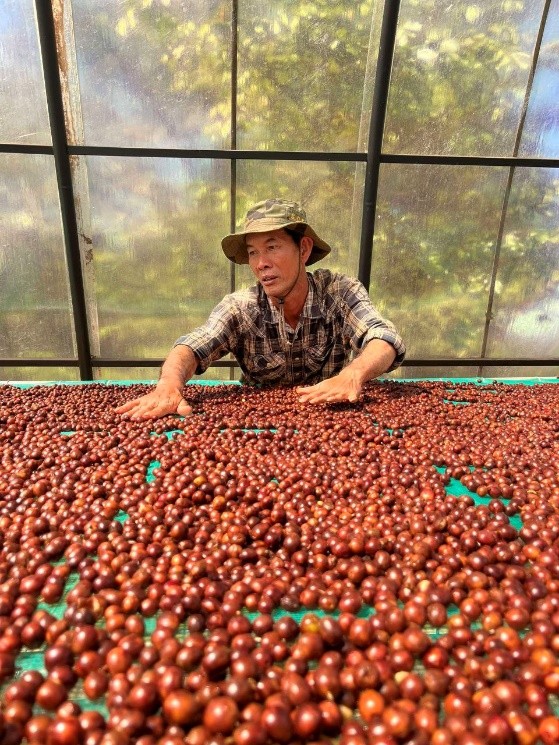
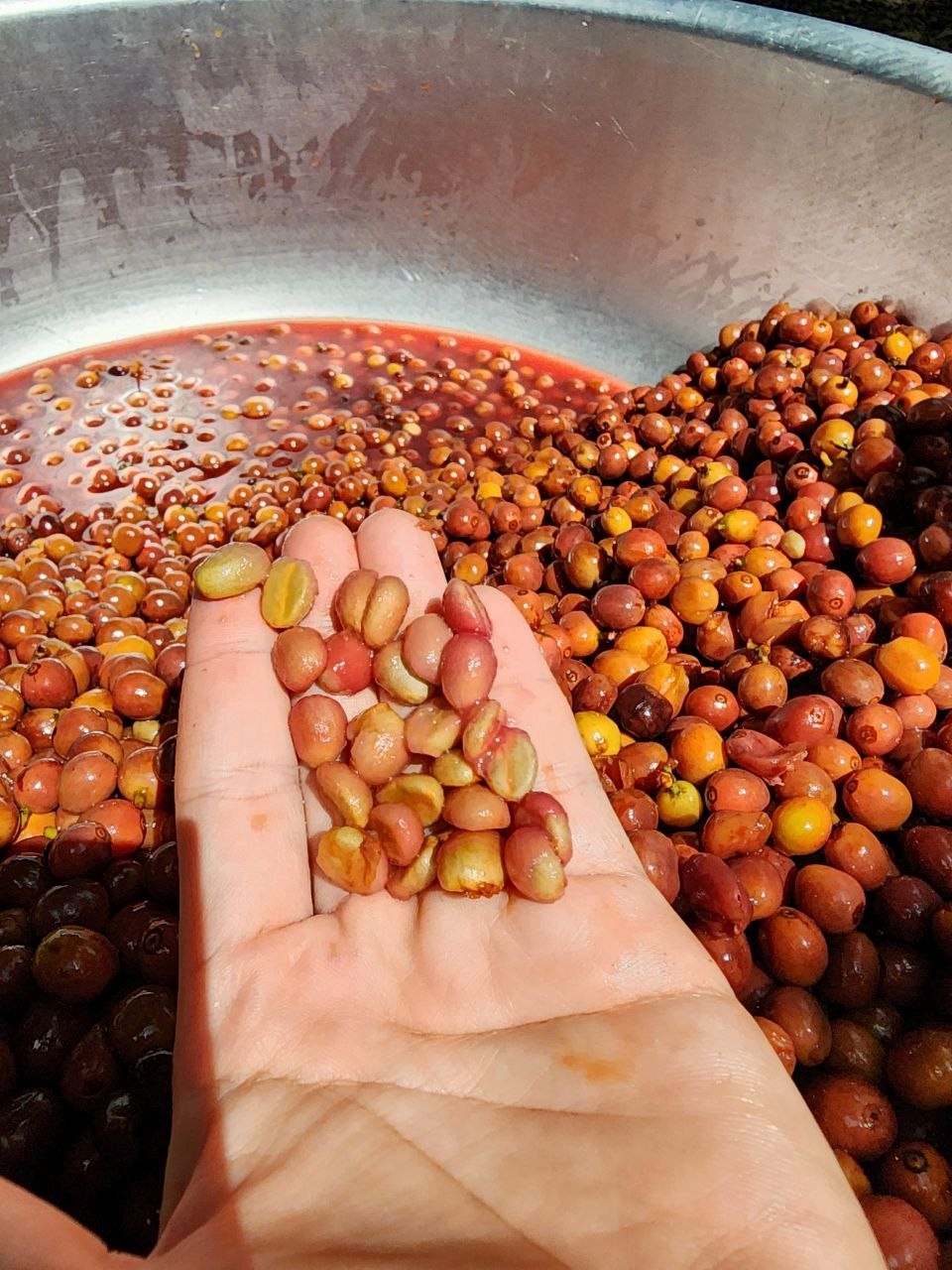
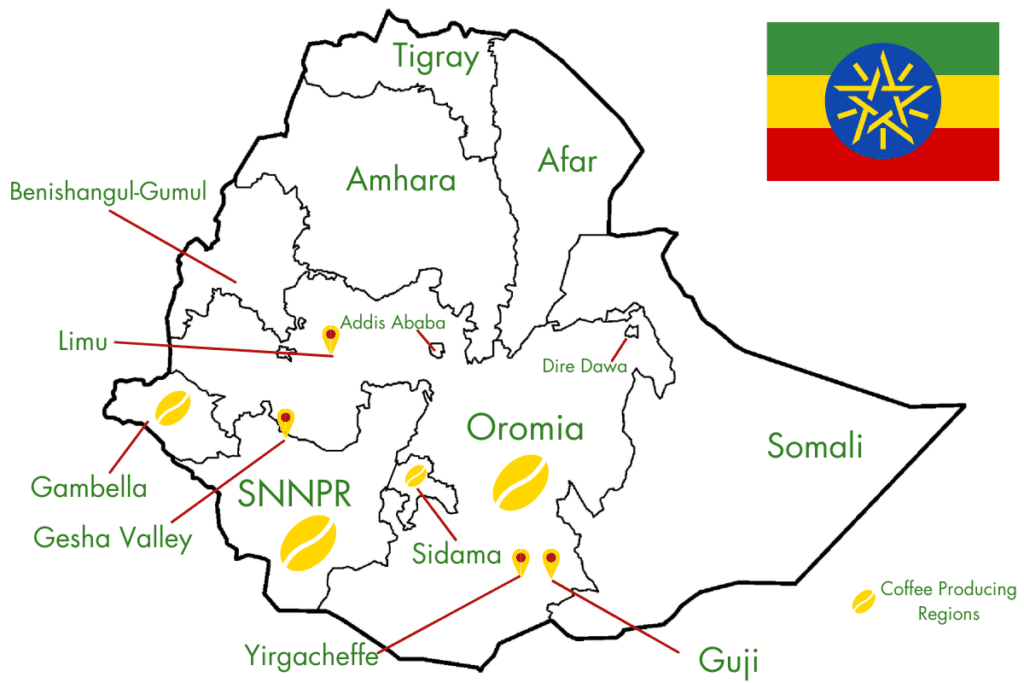
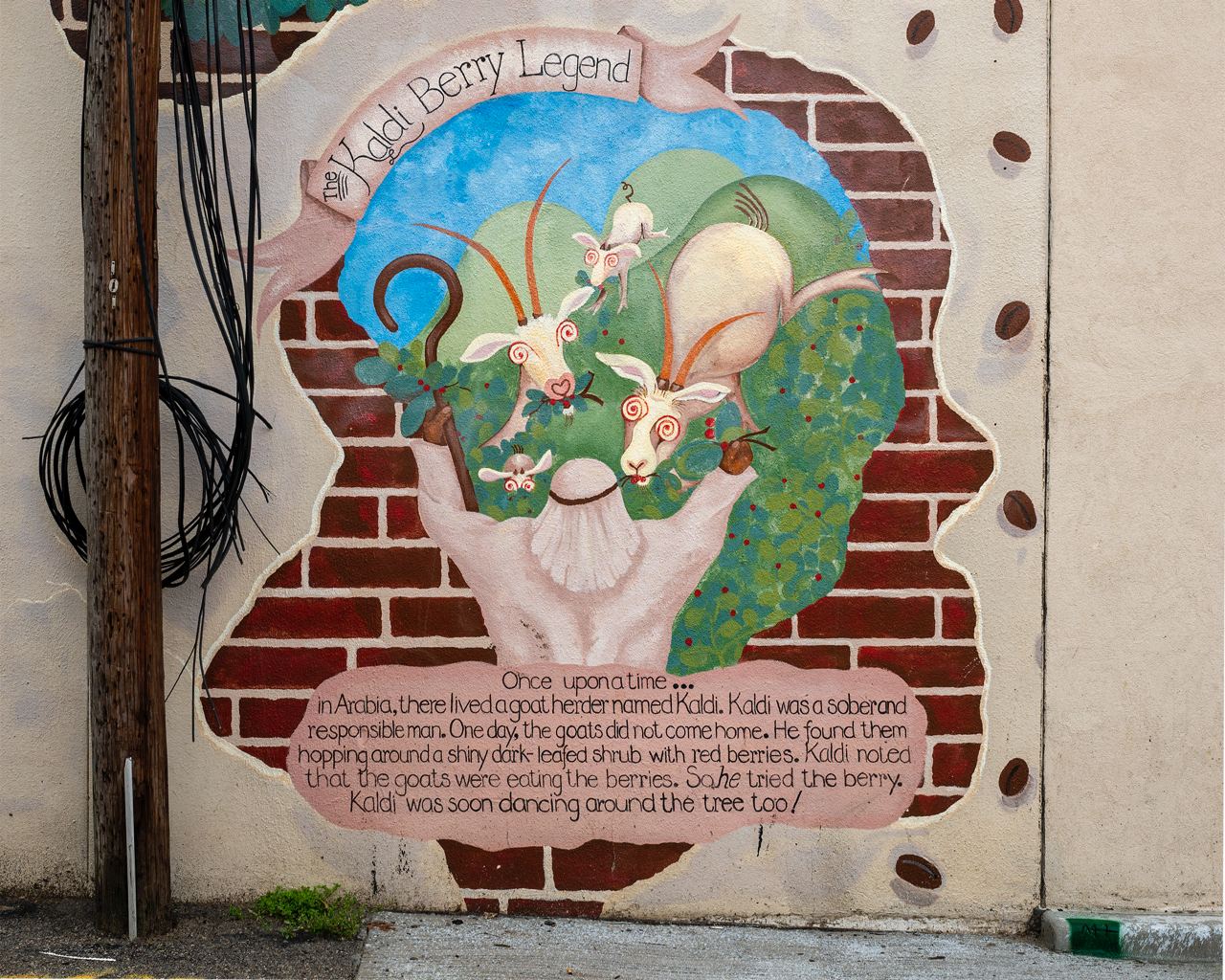
Arabica Coffee (Coffea arabica) is a species of “coffee plant” which is native to the highlands of Ethiopia. The most famous legend of the discovery of Arabica coffee is an Ethiopian goat herder named Kaldi which was around 800AD.It is believed that the seeds was first taken from the coffee forests of Southwestern Ethiopia to Yemen, where it was cultivate as a crop and first become popular.
Wild Coffee arabica plants grow to heights of 9 to 12 meters and have woody stems. They have open branches and the elliptic-ovate leaves are oppositely structured. The leaves range between 6 to 12 centimeters long and 4 to 8 centimeters wide and are dark green, glossy and broad.

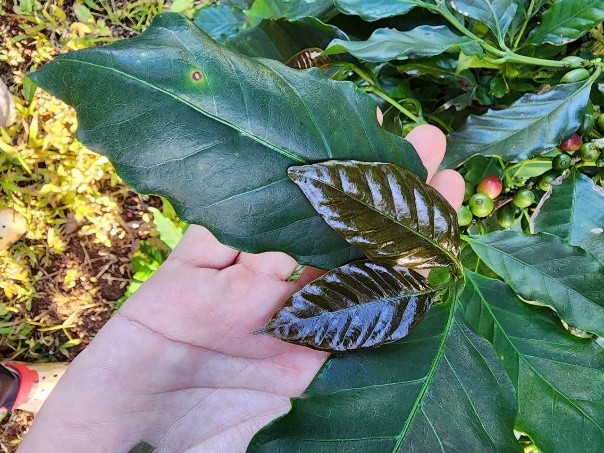
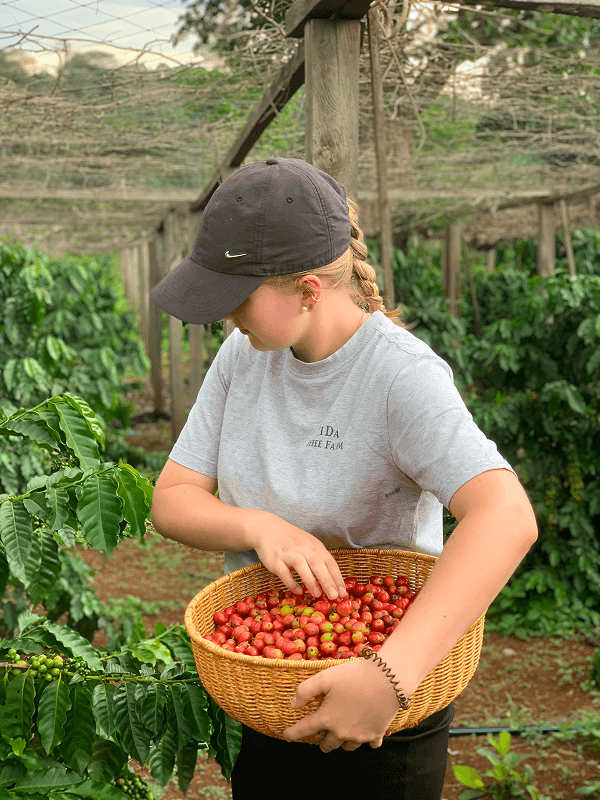
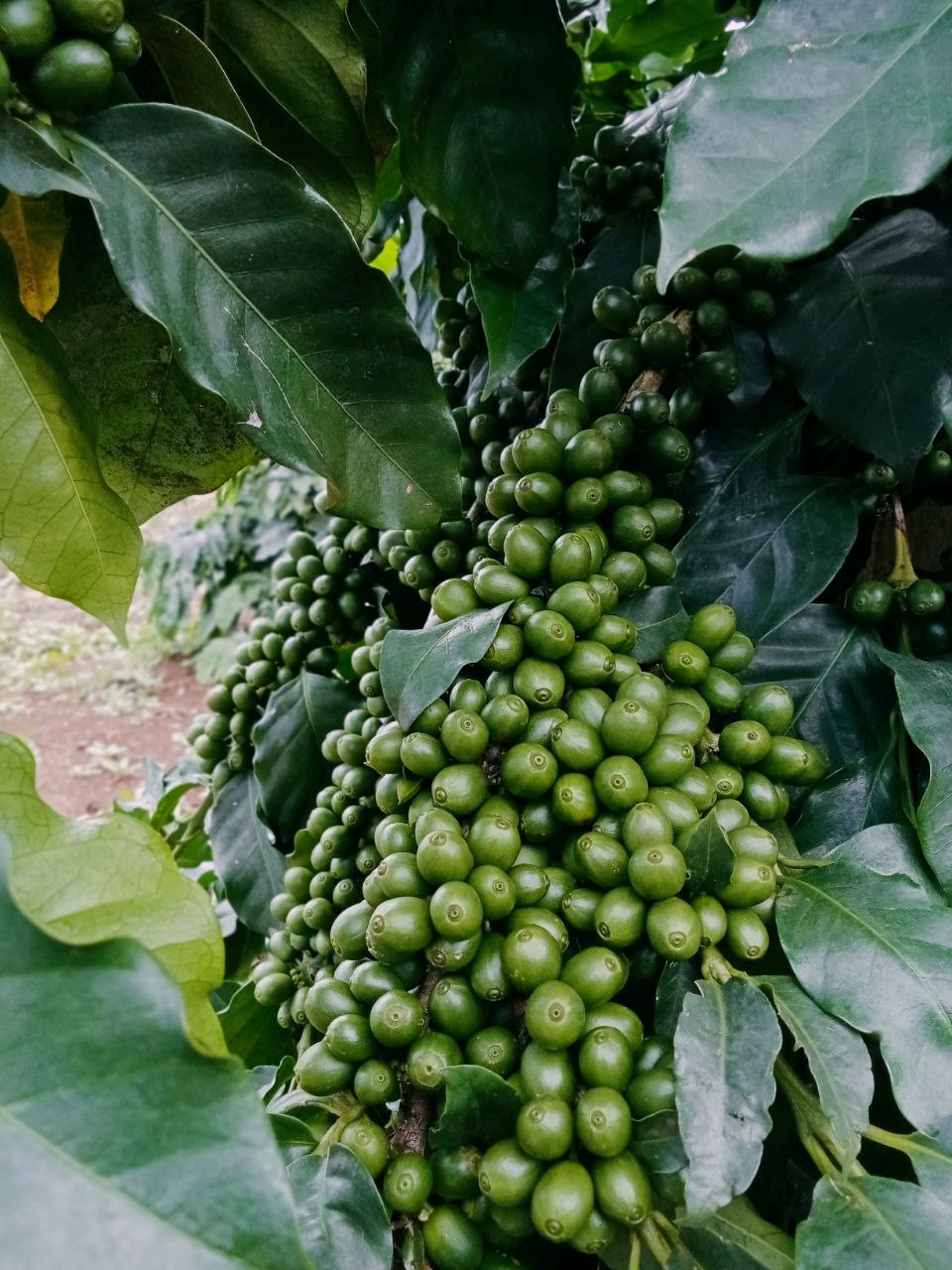
Cultivated Coffee arabica plants at PIDA Coffee farm is “Catimor” which are dwarf plants with bronze-colored leaf tips. They’re pruned to manageable sizes to improve yield and make harvesting the fruits easier. The typica pruned height is 1.8 to 4 meters, but for our coffee plants we keep them to 2.5 meters.
Arabica Catimor is a group of pure-line cultivars originating from crosses between Caturra (Arabica) and Hibrido de Timors (Arabusta) by scientists in the Portuguese Coffee Instittue (CIFC).
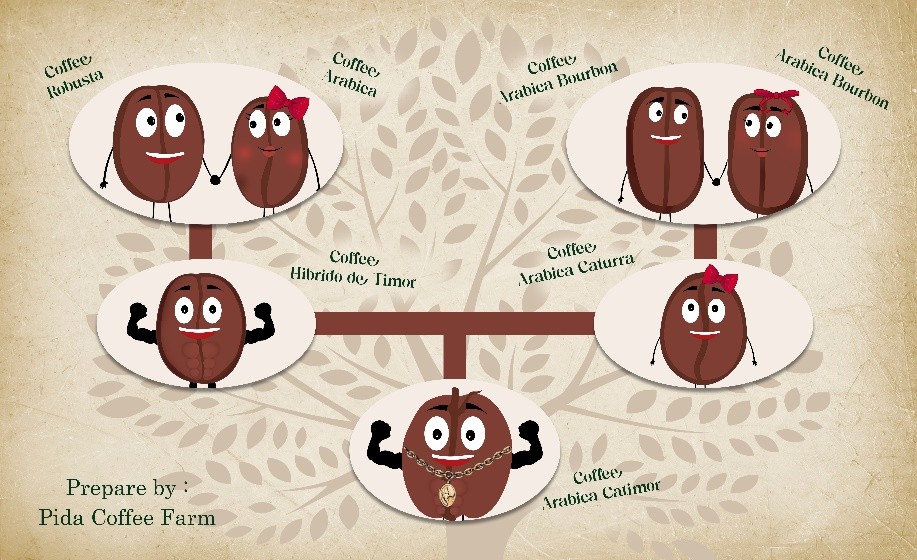
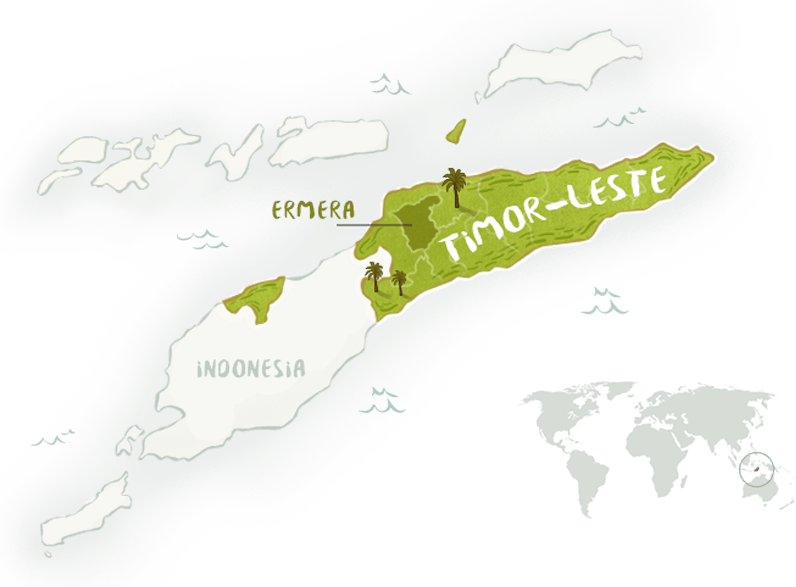
On the island of East Timor in Ermera around 1920s, an impossible legend was born; the offspring of natural cross between Arabica and Robusta- the Hibrido de Timor- an Arabica variety that contained Robusta genetics which is resistant to coffee leaf rust, coffee berry disease, nematodes and have quality cup of arabica.
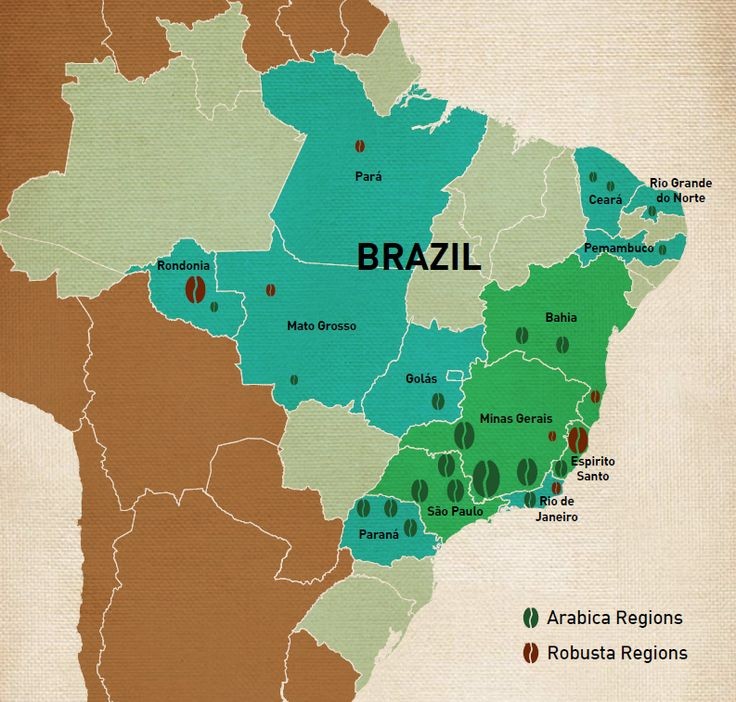
Among all Bourbon’s natural mutation, Caturra is quite well known dwarf variety; it was first discovered on an estate in Minas Gerais, Brazil between 1915 and 1918. The most commonly high-quality cup and high-yielding dwarf Arabica varieties is Caturra. It’s generally recognized for being crisp, complex and sweet with bright acidity. The small size of Caturra allow the plants to be placed closer together and its closely spaced secondary branches enable it to produce more fruit in the same space. The Caturra variety is more adaptable between 600masl and 1300masl and resistant to drought, winds and exposure to sunlight and hot temperatures but it is susceptive of disease particularly nematodes and coffee leaf rust. Thus, it has led to cross-breeding with other varieties.
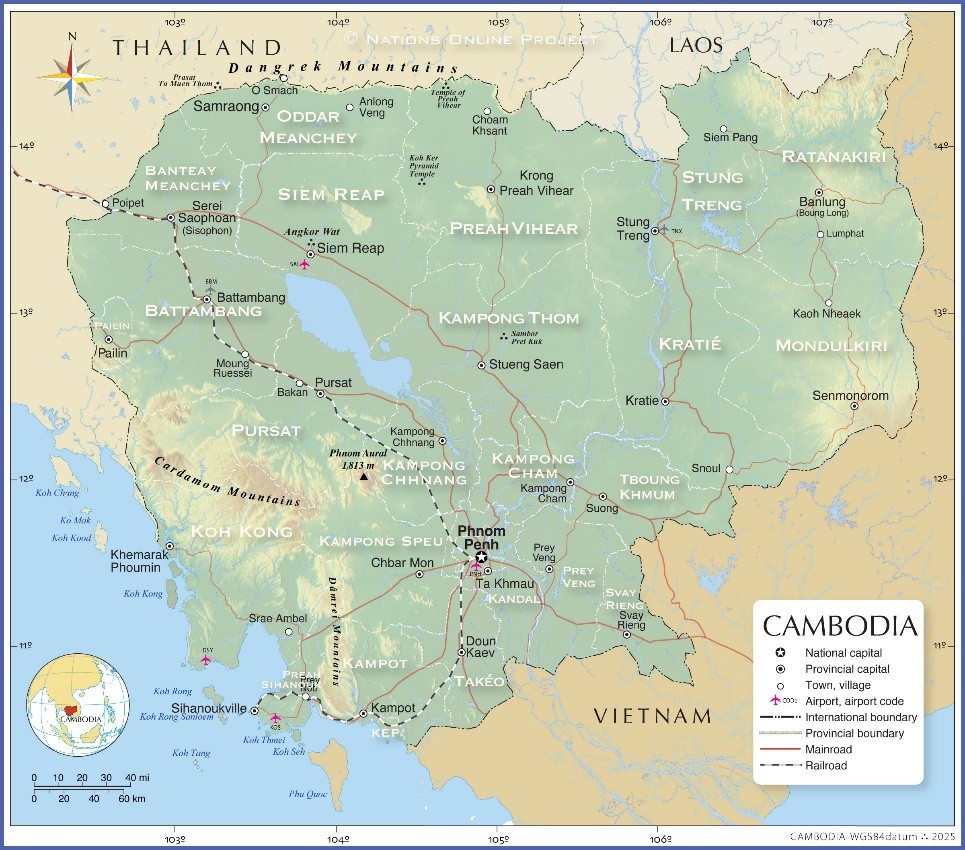
Arabica Catimor was introduced to Lao by French in 1900s. With volcanic red soil and cool climate are best for Arabica to grow and produce high yield. However, in 2017 with passion for coffee; PIDA COFFEE FARM founders visited Bolaven Plateau and witnessed the possibility of Cambodia Arabica Coffee. In 2018, the first Arabica Coffee plants were grown at PIDA COFFEE FARM, Mondulkiri, Cambodia. After many years of experiments with difference farming practices, processing and roasting the beans that we harvested, we’re so proud of our efforts on the journey as one of Cambodia Coffee pioneers.
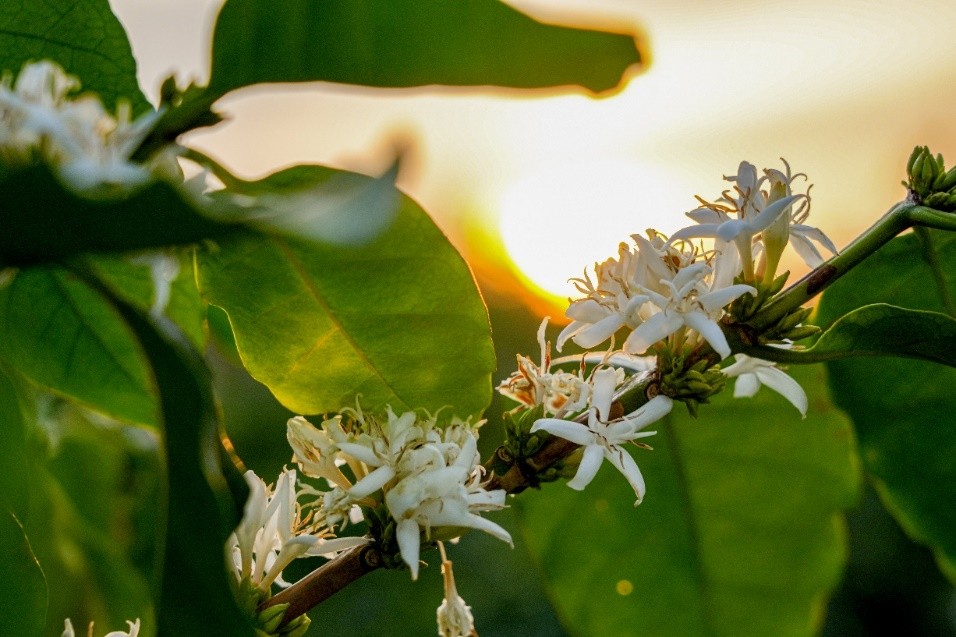
Arabica Catimor’s flowers are white, small, fragrant like jasmine and grow in clusters. They are self-pollinating. One plant produces both male (staminate) and female (pistillate) features. In one node has 5 buds and 1 bud has 4 flowers which would be 4 fruits with proper care and inputs.
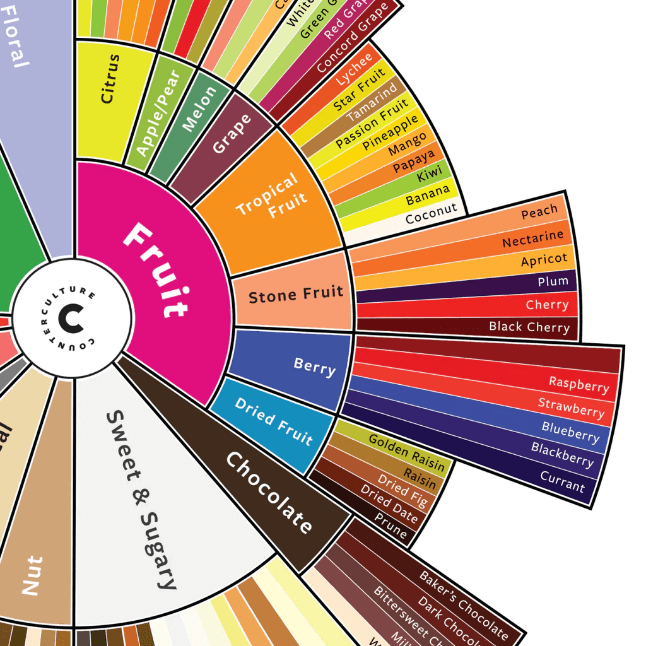
Cambodia Arabica coffee has a distinctive flavor profile that shows it unique characteristics and taste note. In every sip, you will enjoy the complexity and depth with floral note. It has well-balanced acidity that brightens the cup with clean and refreshing sweetness after taste.
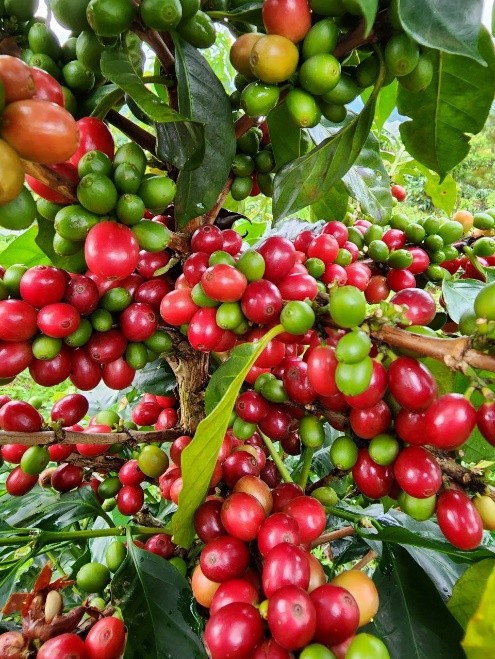
However, to achieve quality cup of coffee involve many things from cultivation, harvesting, processing, roasting and brewing which we’re passionate in involving all these process with our own hands. Along the journey, we make mistakes and we learn every mistake has the price to pay; it’s more painful to see people repeat the same mistake as we did, thus sharing our lesson from fellow coffee lover is the mission to avoid mistake repetition.
PIDA Coffee Farm stands firmly and move forward on the principle of PASSION, CRATED, SCIENCE and SUSTAINABLE. Each coffee Tree and bean are taken care with respect; our job is to bring the best potential in each coffee bean to bring the moment of happiness in your cup.
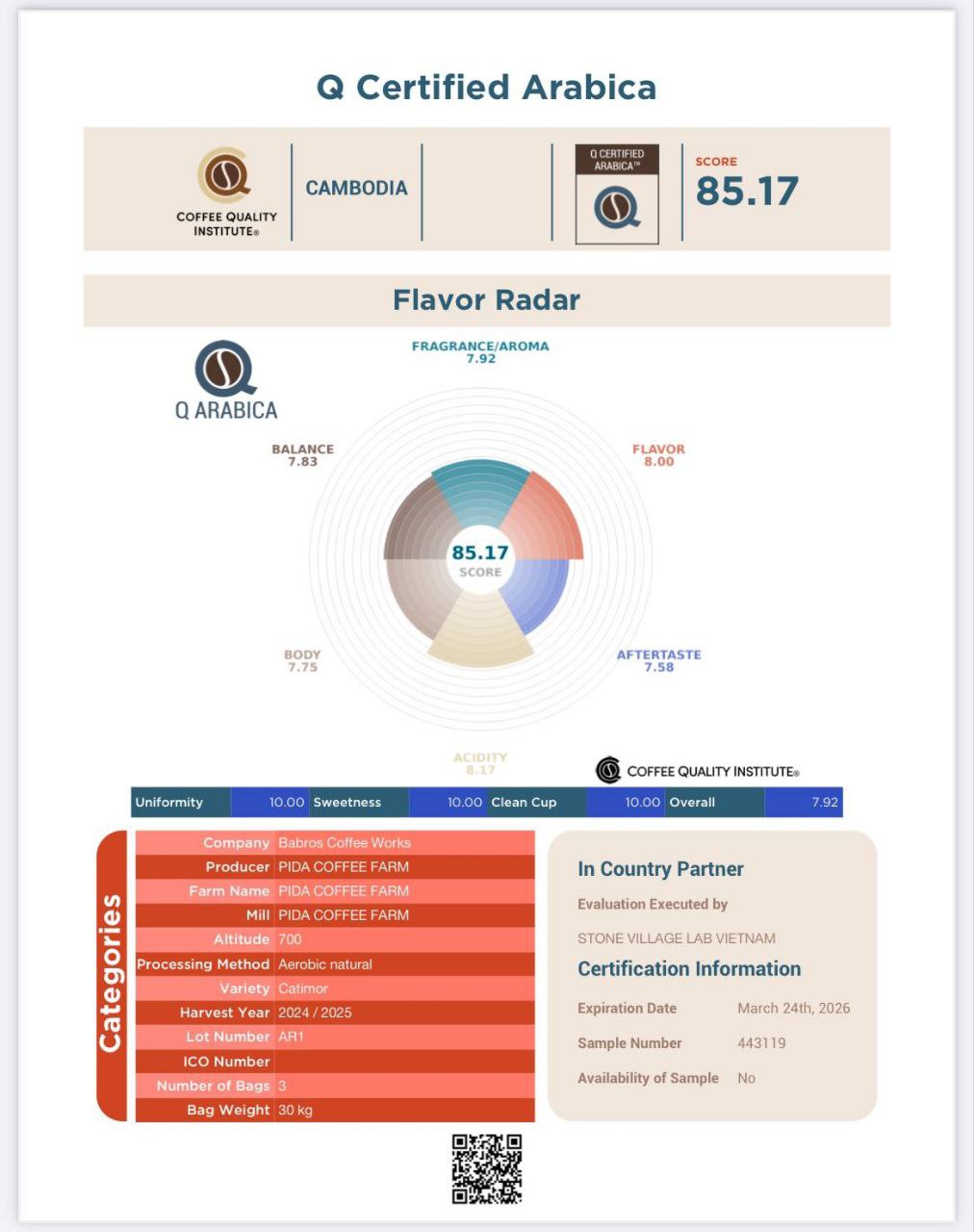
Sustainable smart farming practice is in the heart of PIDA Coffee farm. Agroforestry coffee is our main principle in farming. Our Arabica Catimor trees are planted intercrop with passionfruit, avocado, durian, banana, cacao and with other wild trees. After many years of experiments with difference farming practices, processing and roasting the beans that we harvested, We're so proud to be Cambodia Cofefee pioneers and witness the first Cambodia Arabica Coffee from our farm get ceritified by CQI to prove Cambodia Coffee Quality.